
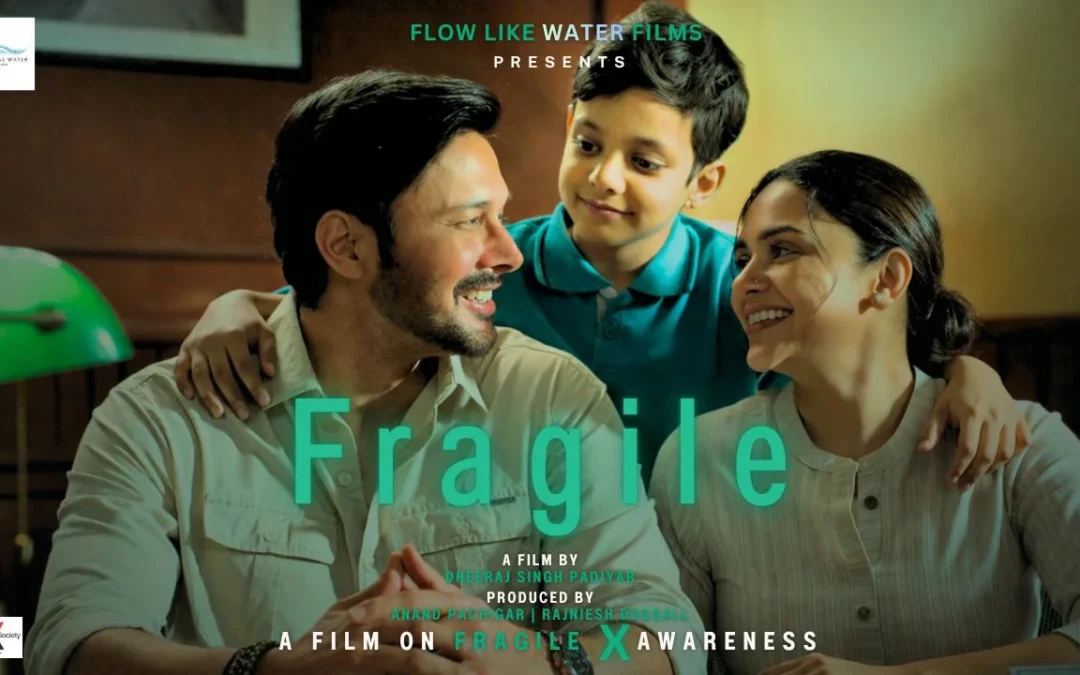
Cinema possesses a rare ability to transform abstract medical definitions into deeply felt human stories. Where brochures and clinical terms often fail to convey the daily texture of living with a rare condition, a well-crafted film can step in, replacing clinical distance with immediate empathy.
In India, genetic conditions like Fragile X Syndrome (FXS) (the leading inherited cause of autism and intellectual disability) remain largely invisible in mainstream public health discourse. Thousands of families across the country live with the condition without a formal diagnosis, navigating sensory meltdowns, developmental delays, and social isolation in quiet solitude.
The short film Fragile marks a historic shift in this landscape. As India’s first dedicated short film centered on Fragile X Syndrome, it strips away cinematic sensationalism and romanticized tropes, offering an authentic mirror to the lived realities of Indian families navigating neurodivergence every day.
Unpacking Fragile: Storytelling Grounded in Truth
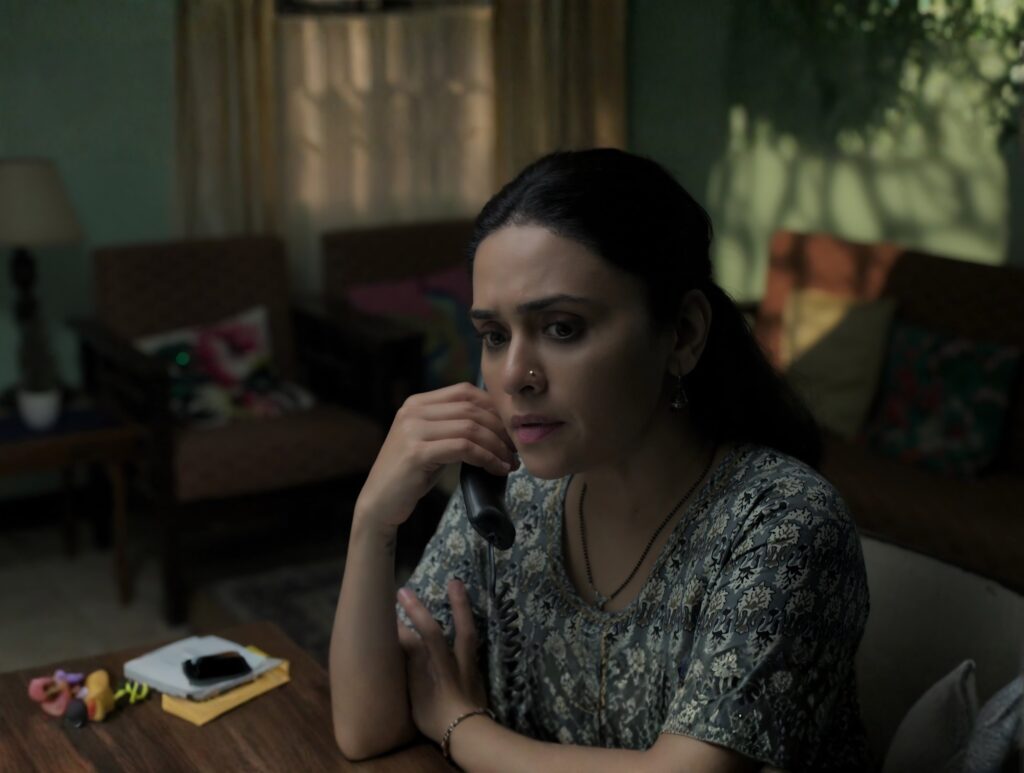
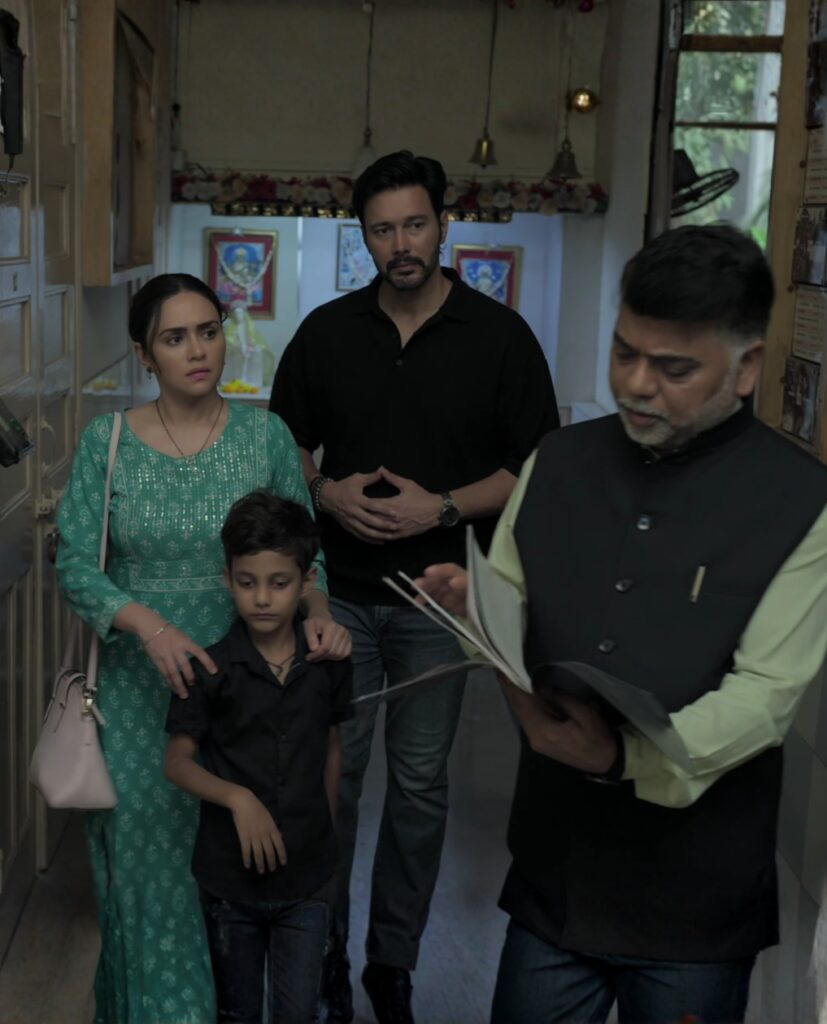
Set within the familiar walls of a middle-class Indian household, Fragile captures the subtle rhythms and sudden disruptions that define life with a neurodivergent family member. The narrative avoids the emotional traps that so often flatten disability on screen—refusing to present the child as a subject of pity or an exaggerated “heroic” caricature. Instead, the film treats its characters with dignified restraint.
The story highlights the nuanced reality of sensory processing challenges, motor planning struggles, and communication hurdles. Viewers witness how everyday occurrences like a sudden loud noise, a shift in routine, or sensory overstimulationcan trigger intense anxiety for a child with FXS.
Equally compelling is the film’s portrayal of the parents. Fragile captures the physical exhaustion, hyper-vigilance, and quiet resilience that define full-time caregiving. It acknowledges the emotional toll of constant advocacy while celebrating the small, quiet victories – a fleeting moment of eye contact, a successful transition, or an unprompted smile—that mean the world to a family.
The Indian Household Reality: Why Fragile Hits Home
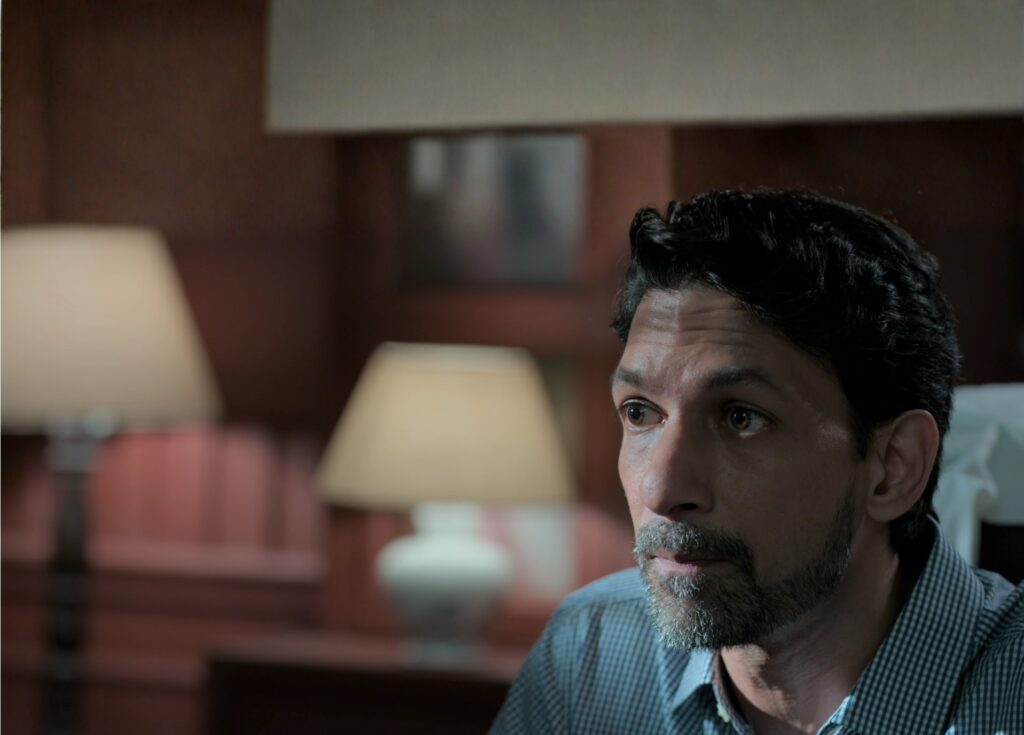
For Indian families, a diagnosis of Fragile X Syndrome is rarely a straightforward medical event; it is a lengthy and emotionally taxing journey. The “diagnostic odyssey” in India often spans years. Parents routinely move between pediatricians, occupational therapists, and counselors, receiving piecemeal labels like “general delay” or “mild autism” before an accurate genetic test (such as FMR1 gene testing) provides definitive clarity.
Beyond the clinical hurdles, families must navigate profound cultural pressure. In many Indian communities, neurodevelopmental differences are met with unsolicited advice, societal blame (frequently directed at mothers) and gradual social exclusion. Family gatherings, festive celebrations, and public outings often become sources of intense stress rather than comfort.
The realism embedded in Fragile stems directly from real-life pioneer experiences. The trajectory depicted on screen mirrors the pioneering work of Fragile X Society India and its founder, Shalini Kedia, whose son Varun was the first officially diagnosed individual with FXS in India. That personal journey turned a private struggle into a national advocacy movement, establishing a foundation of lived experience that infuses every scene of the film with unmistakable truth.
A Universal Mirror: Resonating Across the Neurodivergent Spectrum
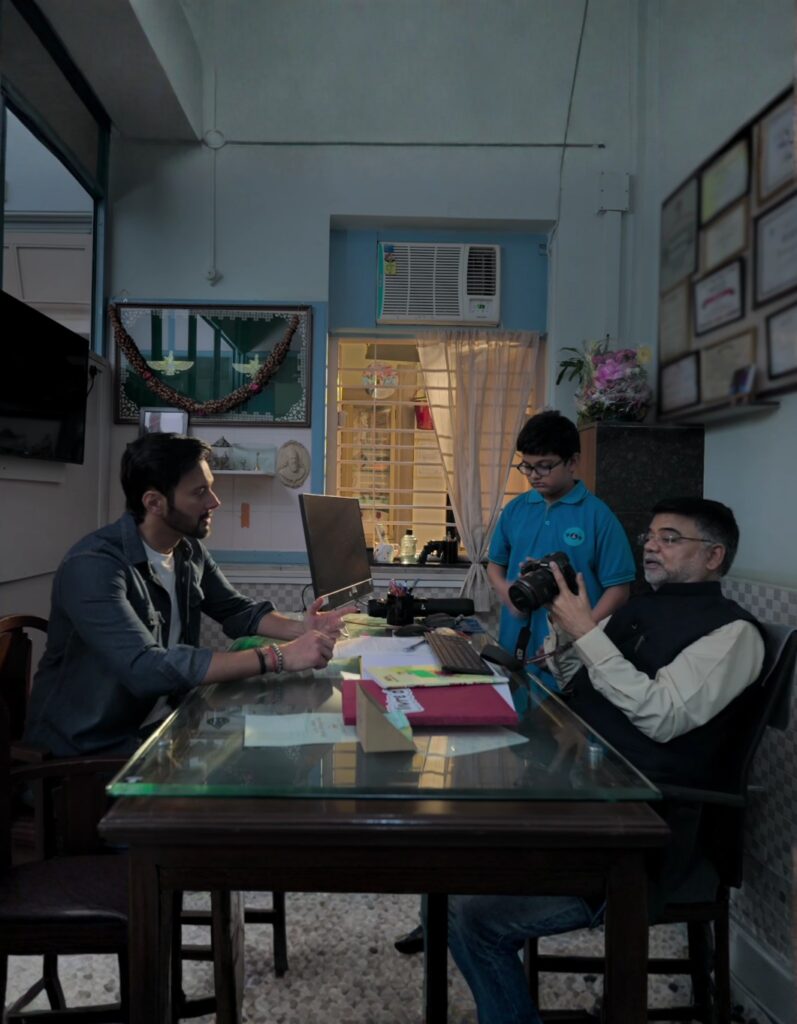
While Fragile focuses specifically on Fragile X Syndrome, its emotional core extends far beyond a single genetic diagnosis. The film serves as a universal mirror for lakhs of families across India living with a wide spectrum of neurodivergent conditions, including Autism Spectrum Disorder (ASD), Attention Deficit Hyperactivity Disorder (ADHD), Down Syndrome, and global developmental delays.
The hurdles portrayed in the film are instantly recognizable to any caregiver raising a child with special needs in India:
- Navigating Systemic Barriers: The painful quest for inclusive schooling, the search for empathetic healthcare providers, and the challenge of managing public meltdowns under the gaze of unfamiliar onlookers.
- Sensory and Social Realities: Navigating sensory-overwhelming public spaces—from noisy markets to crowded family functions—with constant anticipation and planning.
- The Unspoken Anxiety: The heavy, persistent question that haunts almost every parent of a neurodivergent child: “Who will care for them after us?”
By laying bare these universal realities, Fragile builds a bridge between distinct diagnostic communities. It reminds us that whether a child carries a diagnosis of Fragile X, Autism, or an unmapped rare condition, the fundamental human needs—acceptance, community support, accessible infrastructure, and dignity—remain identical.
Beyond the Screen: How Storytelling Drives Awareness
Visual storytelling achieves what statistics alone cannot: it builds empathy before asking for action. When a neighbor, an educator, or an extended family member watches Fragile, abstract diagnostic jargon transforms into a relatable human experience. Understanding replaces fear, and judgment gives way to allyship.
For caregivers, seeing their daily lives reflected on screen offers profound validation. It sends a clear message that their struggles are recognized, their efforts are seen, and they do not have to walk this path in isolation. This visibility encourages families who may be noticing developmental delays in their own children to move past hesitation and seek early intervention and genetic testing.
The Collaborative Force: The Team Behind the Film
Bringing a subject as sensitive and specialized as Fragile X Syndrome to the screen required an unprecedented alignment of advocacy, creative talent, and corporate support.
- Fragile X Society India: Served as the foundational pillar, guiding the narrative with authentic clinical and lived insights to ensure the condition was portrayed with utmost accuracy and care.
- Pocket Films: Acted as the crucial digital distribution partner, leveraging its reach to bring this crucial social message to mainstream digital platforms across India and worldwide.
- Prescon Homes: Provided essential corporate sponsorship, demonstrating how corporate social responsibility can meaningfully champion rare condition awareness and social inclusion.
- Cast and Crew: Led by prominent actor Rajniesh Duggall alongside an ensemble cast, the actors delivered performances grounded in subtlety, dignity, and deep emotional resonance, honoring the true stories of the families they represented.

Moving Forward Together
Fragile is far more than a short film; it is an open invitation to listen, learn, and build a more inclusive India. True awareness begins when we look past diagnostic labels and recognize the individual, supporting families with compassion rather than sympathy.
If you or someone you know is navigating developmental delays, intellectual disabilities, or suspects Fragile X Syndrome, support and guidance are available.
- Watch the Film: Stream Fragile on YouTube via Pocket Films and share it within your schools, workplaces, and social networks to help spread awareness.
- Reach Out for Support: Connect with the Fragile X Society India team for guidance on genetic testing, early intervention, and family support networks by emailing assist@fragilex.in.
- Be an Ally: Foster sensory-friendly, welcoming environments in your local communities, schools, and workplaces so every individual can thrive.